WELCOME TO THE KEY BISCAYNE
CITIZEN SCIENTIST PROJECT
Welcome to the
Citizen Scientist Project
Our mission is to have citizen and professional scientists monitor and protect resources and to share information on the most critical natural resources of Key Biscayne and Virginia Key.
Established by the Key Biscayne Community Foundation, the Citizen Scientist Project seeks to have Key residents work with professional scientists to achieve four goals:
- Learn about the natural resources of Key Biscayne and Virginia Key;
- Experience the natural resources of the Key through participation in field trips;
- Participate in citizen scientist projects, which are directed at protecting the natural resources of the Island; and
- Suggest projects for the Citizen Scientist Project.
Explore
Citizen Scientist Project Lab
Learn About Key Biscayne
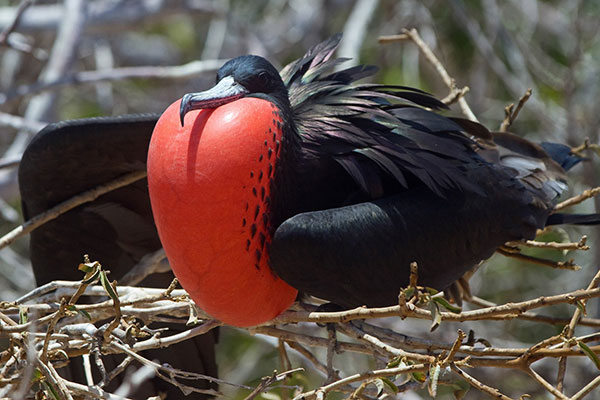
Learn about the mature and wildlife of Key Biscayne with these articles written and compiled by scientists, professionals, and student interns from University of Miami Rosenstiel School of Marine and Atmospheric Science.
Explore Key Biscayne
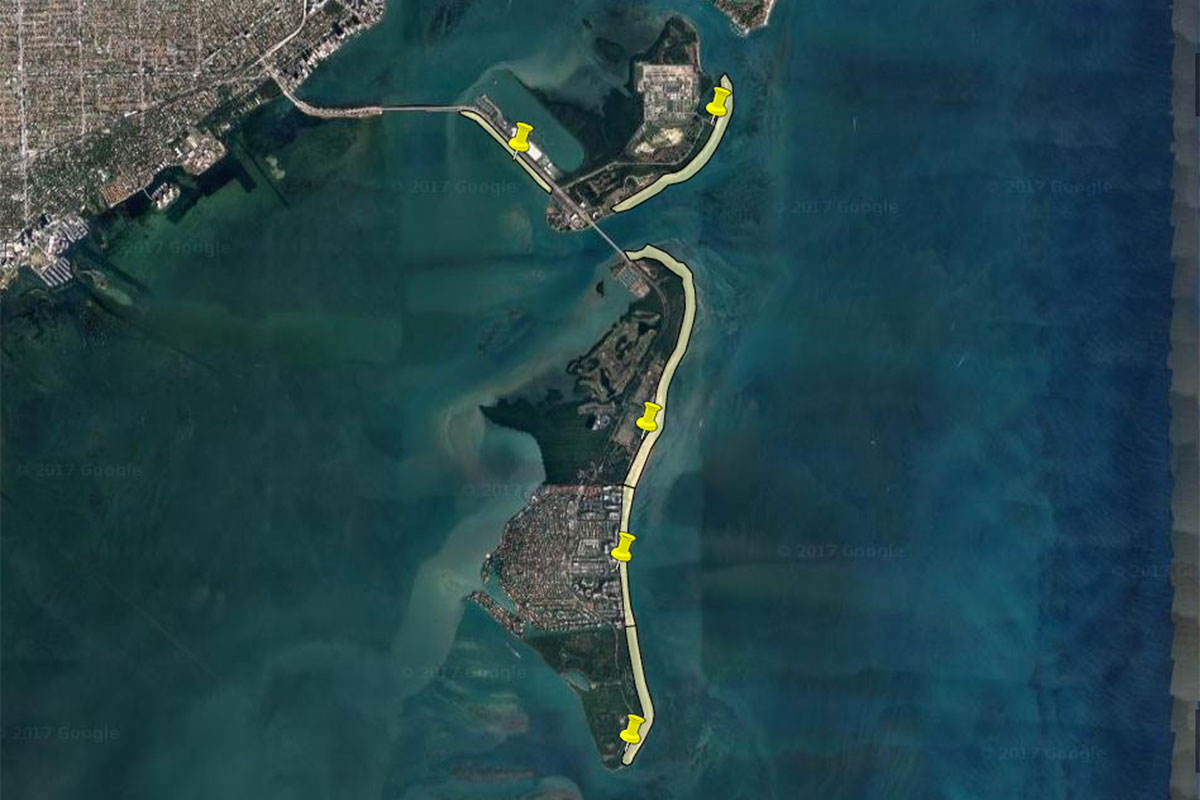
Virtually explore Key Biscayne and the surrounding area with our interactive maps highlighting each of our seven resources: Beaches, Coral Reefs Green Spaces, Mangroves, Pathways, Seagrasses, and Waterways.
Record Your Findings
Record your findings by uploading your photographs of Key Biscayne nature and wildlife; submitting answers to our Relevant Environmental Questions; and/or sharing your bird sighting observations via our Bird Recorder.
Review the Observations
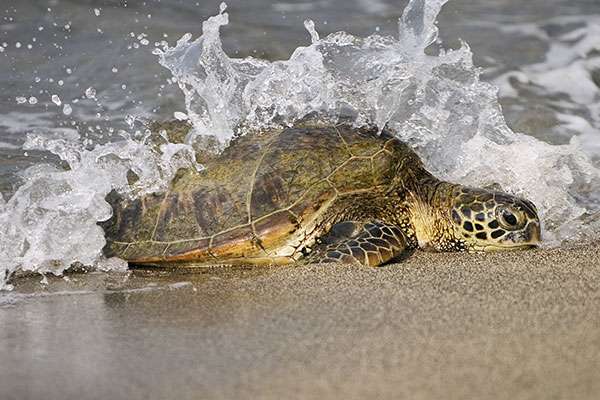
Review all of the photographic observations made by citizen scientists, professional scientists, student, and interns. This map visualizes user submitted photographs and data to the Citizen Scientist Project’s GIS database.
Get Involved
Citizen Scientist Project’s Programs
Key Challenge
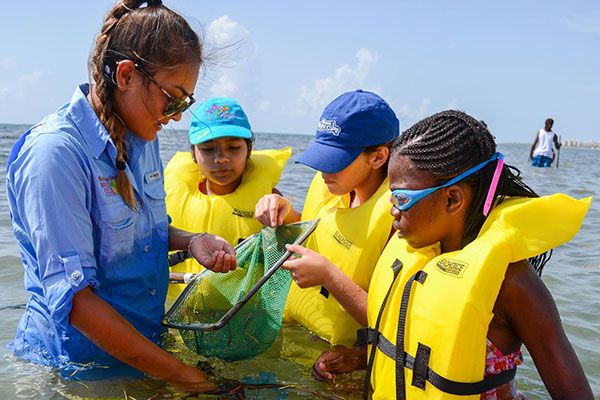
The Key Challenge is an island-wide initiative directed at increasing student’s appreciation and knowledge of the island’s natural resources.
Sea Level Rise
As an island community, the effects of changes in climate have special significance for the Key Biscayne, such as flooding, salt water intrusion, and king tides.
Water Watch
The Water Watch is a community-based volunteer water quality monitoring program working with the UF/IFAS Sea Grant Extension Program.
Reef Restoration
Working with UM’s coral restoration lab, Reef Restoration propagates threatened Caribbean staghorn coral in underwater coral nurseries.
CSP Lecture Series
The Citizen Scientist Project’s Lecture Series is an ongoing monthly lecture series hosted on Key Biscayne, and the Series is open & free to the public.
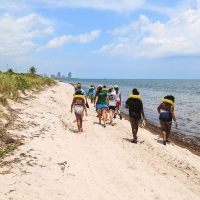
CSP Field Activities
The Water Watch is a community-based volunteer water quality monitoring program working with the UF/IFAS Sea Grant Extension Program.
News & Posts
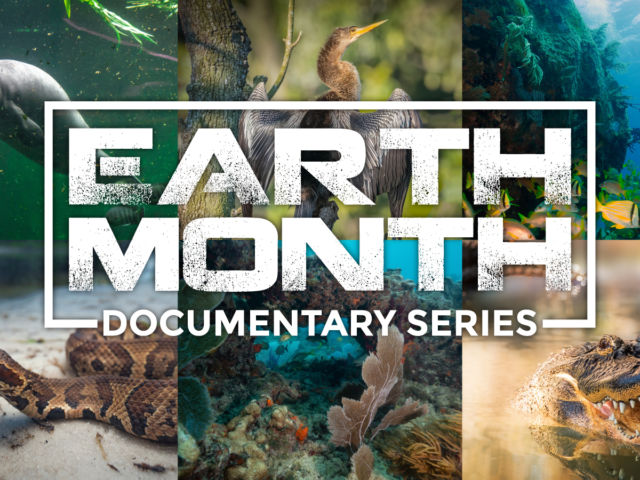
You are cordially invited to attend the screening of an environmental documentary in the Key Biscayne Community Center’s Lighthouse Room on Fridays, April 15th, April 22nd, and April 29th.
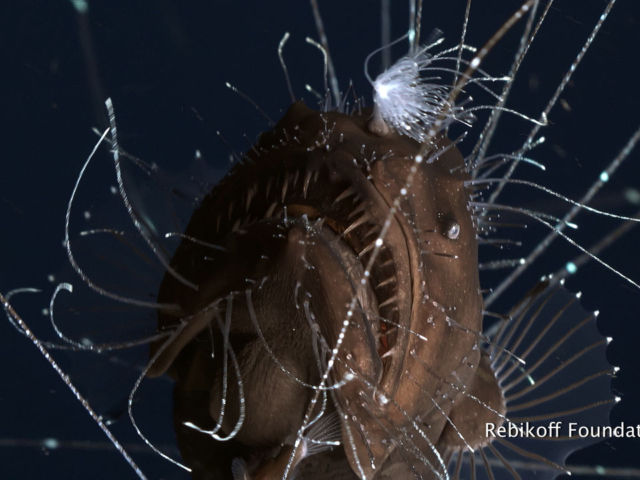
Although over 160 species of anglerfish have been identified, most have been identified by dead animals caught in nets and only a handful of videos of them alive have been captured. This video, captured in 2016 but released much later,…
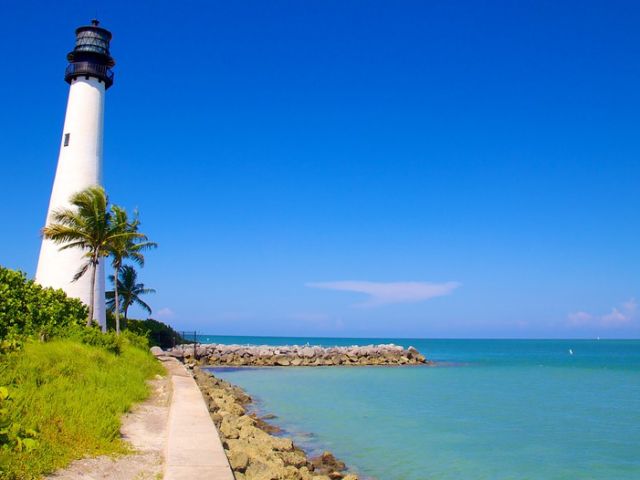
In Bill Baggs State Park on Key Biscayne, the efforts of Michelle Davis, the scientist who founded the bird banding station in Cape Florida in 2002, have resulted in over 40,000 migratory birds being banded and traced over two decades. …
A Special Thanks to the
Citizen Scientist Project’s Partners